Insights & Trends
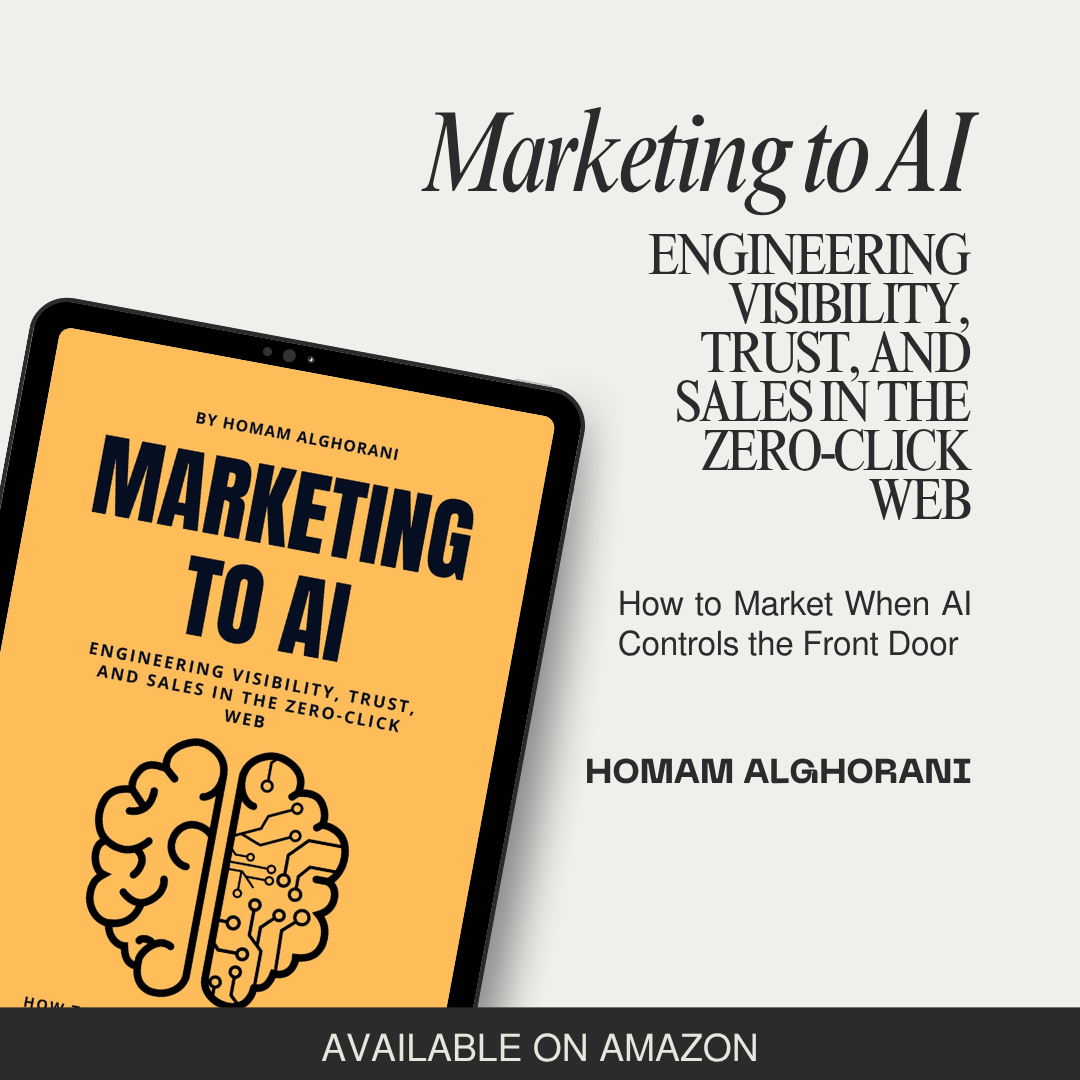
The Future Has No Clicks: Why “Marketing to AI” Is the New Marketing to Humans, Best AI SEO Book
The web you knew is gone. Search engines no longer send traffic — they send answers. ChatGPT, Gemini, and Perplexity have become the new gatekeepers of discovery, shaping what people see, buy, and believe.
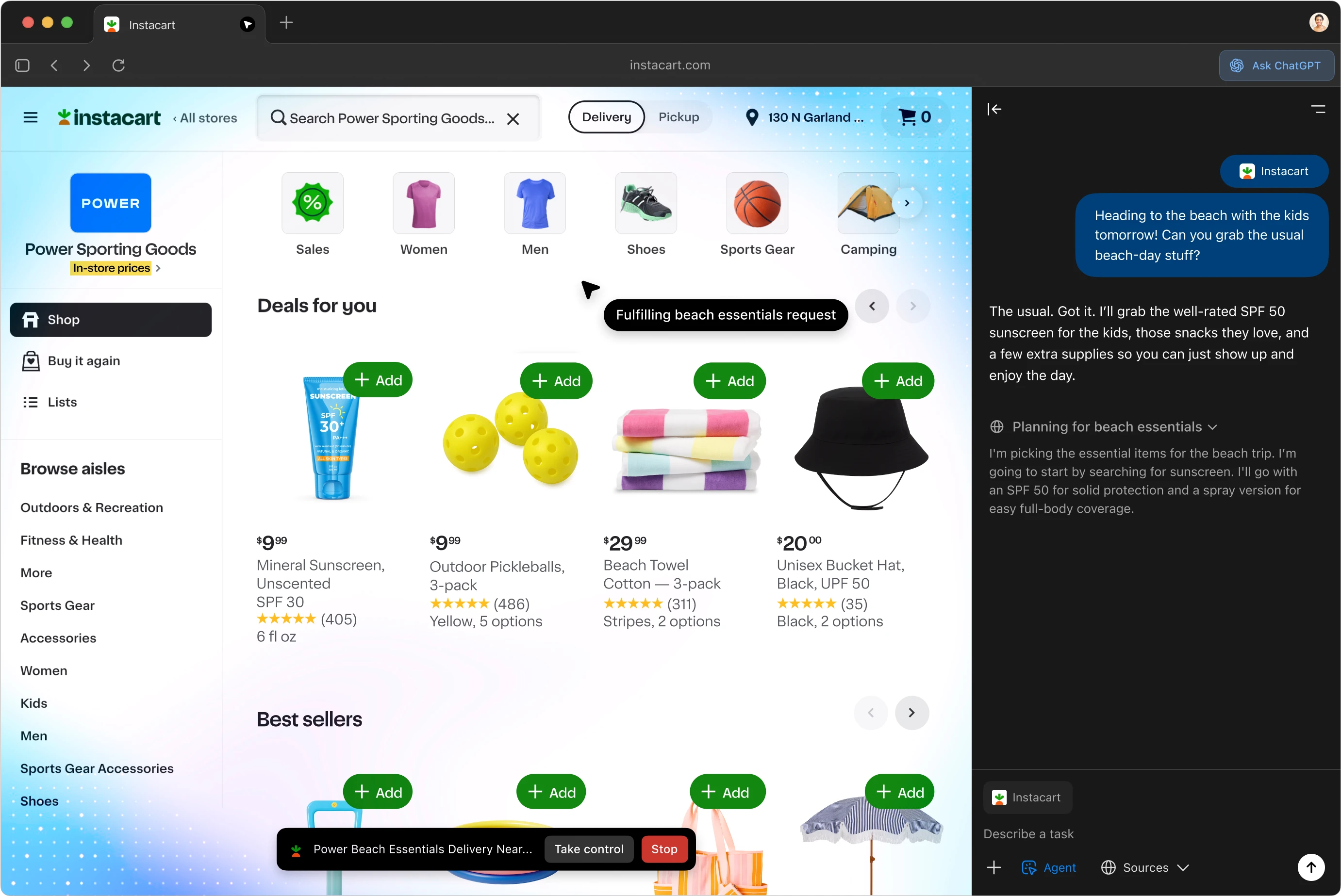
ChatGPT Atlas: The Dawn of the Agentic Browser Era
When OpenAI unveiled ChatGPT Atlas, it didn’t just launch another browser — it launched a new way of thinking about the internet. Atlas doesn’t want to replace Chrome; it wants to make the web itself intelligent. Built on Chromium, Atlas feels familiar at first. You can install extensions, manage tabs, and sync bookmarks. But within minutes, you realise something fundamental has shifted. The search bar doesn’t just ask what you want to look for; it asks what you want to do. Instead of sending you to Google, it surfaces curated, contextual results directly inside ChatGPT. The browser has become a co-pilot — a reasoning layer between you and the web.
The Rise of Agent-Mediated Discovery: How GenAI is Reshaping Marketing Funnels
In today's digital landscape, the way consumers find and engage with brands has evolved dramatically. Gone are the days when a simple Google search dominated the path to purchase. Enter agent-mediated discovery, a concept where AI agents act as intermediaries, guiding users through information and decisions with unprecedented efficiency. Powered by generative AI (GenAI), this shift is fundamentally altering marketing funnels, making them more dynamic, personalized, and sometimes invisible to traditional strategies. As brands scramble to adapt, tools like Optivi AI are emerging as essential allies in maintaining visibility and relevance.
Zero-Click Futures: What Brands Need to Know as 60% of Queries Never Leave AI Chat
In today's digital landscape, search behavior is evolving faster than ever. With the rise of AI-powered tools like Google AI Overviews, ChatGPT, and Gemini, a staggering 58.5% of Google searches now end without a single click to an external site. This phenomenon, known as "zero-click searches," means users are getting answers directly within AI interfaces, never leaving the chat or search results page. For brands, this shift poses both challenges and opportunities. As an SEO and digital marketing expert, I'll break down what zero-click futures mean for your business and how to adapt to ensure your brand remains visible and competitive.
Sentiment Is the New SEO – Tracking Tone in AI Answers
In the age of generative AI (GenAI), the battle for brand visibility has shifted from traditional search engine results pages (SERPs) to instant, conversational AI responses. No longer is it enough to rank high in clicks; brands must now ensure they appear favorably in AI-generated answers that often resolve queries without a single click. This evolution, dubbed Generative Engine Optimization (GEO), places sentiment—or the tone in which your brand is portrayed—at the forefront of digital strategy. As AI platforms like ChatGPT, Grok, and Google Gemini become primary gateways for information, tracking and optimizing tone isn't just an add-on; it's the new SEO.
Why CMOs Are Reallocating SEO Budgets to GEO
In 2025, the marketing world is buzzing with a seismic shift: Chief Marketing Officers (CMOs) are moving budgets from traditional Search Engine Optimization (SEO) to Generative Engine Optimization (GEO). Why? Because AI-driven platforms like Grok, Perplexity, and ChatGPT are rewriting how consumers discover brands, and GEO is the key to staying visible in this zero-click, intent-driven era. This article explores why CMOs are making this pivot, the strategic reasoning behind it, and how GEO is reshaping marketing priorities.